

A Workwear Kind of Classic: Chore Coat
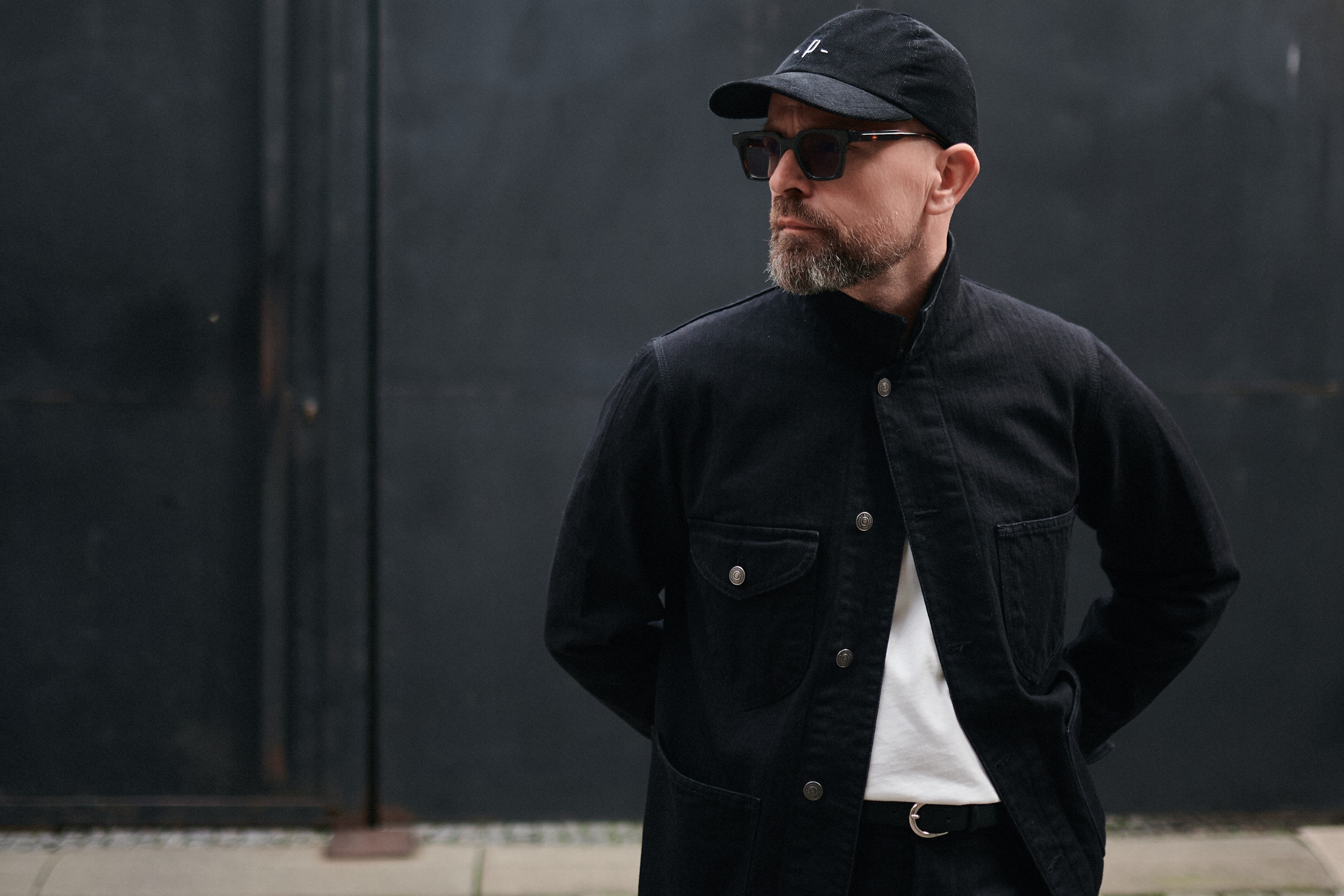
While the weather is still cold, it works perfectly as a mid-layer — even as a substitute for a tailored jacket; once temperatures rise, it becomes an excellent sportcoat alternative or a very practical overshirt. And it is a piece far closer to the world of classic tailoring than its origins might suggest.
The text below originally appeared as part of the “Essentials” section in the second edition of Everyday Classic magazine. If you’d like to read similar pieces on the origins of the Ulster coat, the history of Wool Challis, contemporary interpretations of tweed and more, we highly recommend checking out the full issue!


Chore Coat
...and all other casual sportcoat alternatives – that could be the subtitle. Nowadays, as classic-inspired brands discover “the other classics”, such cuts rapidly gain in popularity among the menswear crowd.
English is very flexible in describing such garments. Although the names are not always universally agreed upon, in general all these chore coats, work jackets, and military overshirts bring a particular reference to mind. In Polish, the names are basically untranslatable, so we’d better stick to the English names to suggest where the cuts come from.

The phrase, though broad in meaning, evokes something specific: a precise cut, some details, fabric, and decades of history – in a word or two.
Take the chore coat. In the menswear sense, it means a denim (usually) jacket, which is long (it covers the seat), with three or four front pockets, buttoned cuffs, and a turndown collar. Its proportions are quite like those of a sportcoat: broader shoulders and chest, the aforementioned classic length, rounded fronts, sometimes slightly nipped waist; and like those of a blazer: it’s worn directly over a shirt, maybe with a sweatshirt or sweater in between, more as a mid-layer than a true coat.


Originally, its form served the function. Large pockets held tools, the long front protected the wearer’s clothes, serving almost as an apron. Worn and tested by all kinds of workers: miners, railroad men, laborers, ranchers. The fabric had to be tough and durable, tear-resistant and long-lasting. If not denim, then tightly woven cotton canvas or twill (also herringbone twill, abbreviated as HBT), and if not indigo, then in brown or black shades.
You could say this cut has existed mostly unchanged for nearly or over (depending how you count) 100 years. Yes, that’s a classic! In the early 20th century, companies like Lee, Carhartt, J.C. Penney (under Pay Day and Big Mac labels, now loved by collectors) and many small local US brands only remembered by diehard Americana fans today started with pieces like these. Over the decades, like many classics, this cut has infiltrated the daily style – from true workwear, through workwear-style, to full-on casual – without losing its details, which do remain practical, albeit differently. They are worn by people in jobs far from manual labor.

If nobody today bats an eye at brown brogues on a city sidewalk, tweed jackets in a gray office interior, and denim on everyone in all variations, why should we mind more “workwear” cuts in the Everyday Classic canon?
The Black HBT Chore Coat shown in the article photos is already the second iteration of this classic in our take — the first one was made from a distinctive broken-twill denim. It’s a style we’ll be returning to regularly within our Working Class line. A new version is planned for the spring–summer collection, so keep an eye out!

